Last Update
Table of Contents
Choosing a roll-off dumpster may seem straightforward, but picking the wrong size can disrupt your entire project. A container that fills too fast can delay work, while one that is oversized can increase pricing without adding value. The right decision depends on understanding waste volume, materials, and logistics before anything is delivered.
This guide explains how roll-off dumpster rental works, how dumpster sizes are measured, and how to select the right dumpster size for your job. It also covers permits, pickup planning, and common mistakes that cause extra fees. The goal is to help you manage debris efficiently and keep your project on schedule.
Before choosing a container, it helps to understand how a roll-off dumpster functions and why size selection affects cost, safety, and workflow.
What Is a Roll-Off Dumpster?
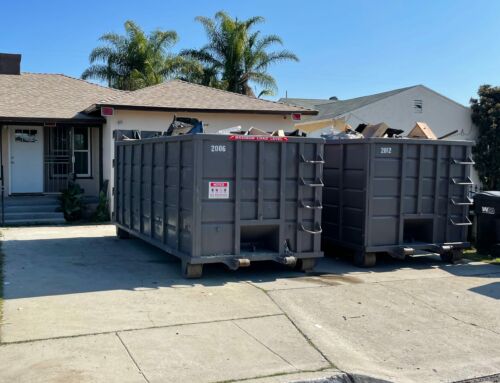
A roll-off dumpster is a large, open-top waste container designed for temporary use. It is delivered by a specialized truck that uses a rolling system to place and remove the container from the site. This roll-off method allows for efficient delivery and pickup.
A roll-off container is commonly used for home cleanouts, renovation work, demolition, and construction debris removal. Unlike small trash bins, this type of dumpster is built to handle large loads and bulky materials.
Key characteristics include:
- Open-top box design
- Capacity measured in cubic yards
- Temporary placement on a site or driveway
- Removal once the job is complete
Because the container has fixed weight limits, choosing the right size is essential for safe hauling.
Why Dumpster Size Matters for Your Project
The size of a dumpster affects far more than storage space. It determines how many loads fit inside, whether the truck can safely lift them, and how many pickups are required.
If the dumpster is too small, check out our blog for tips on choosing the right dumpster size:
- Debris may exceed the fill line
- Additional pickup trips increase fees
- Work may stop while waiting for a replacement
If the dumpster is too large:
- Rental pricing increases unnecessarily
- Space at the site is wasted
- Permits may be required due to container size
Heavy materials like concrete, bricks, and dirt can exceed weight limits long before the container appears full.
Standard Roll Off Dumpster Sizes Explained
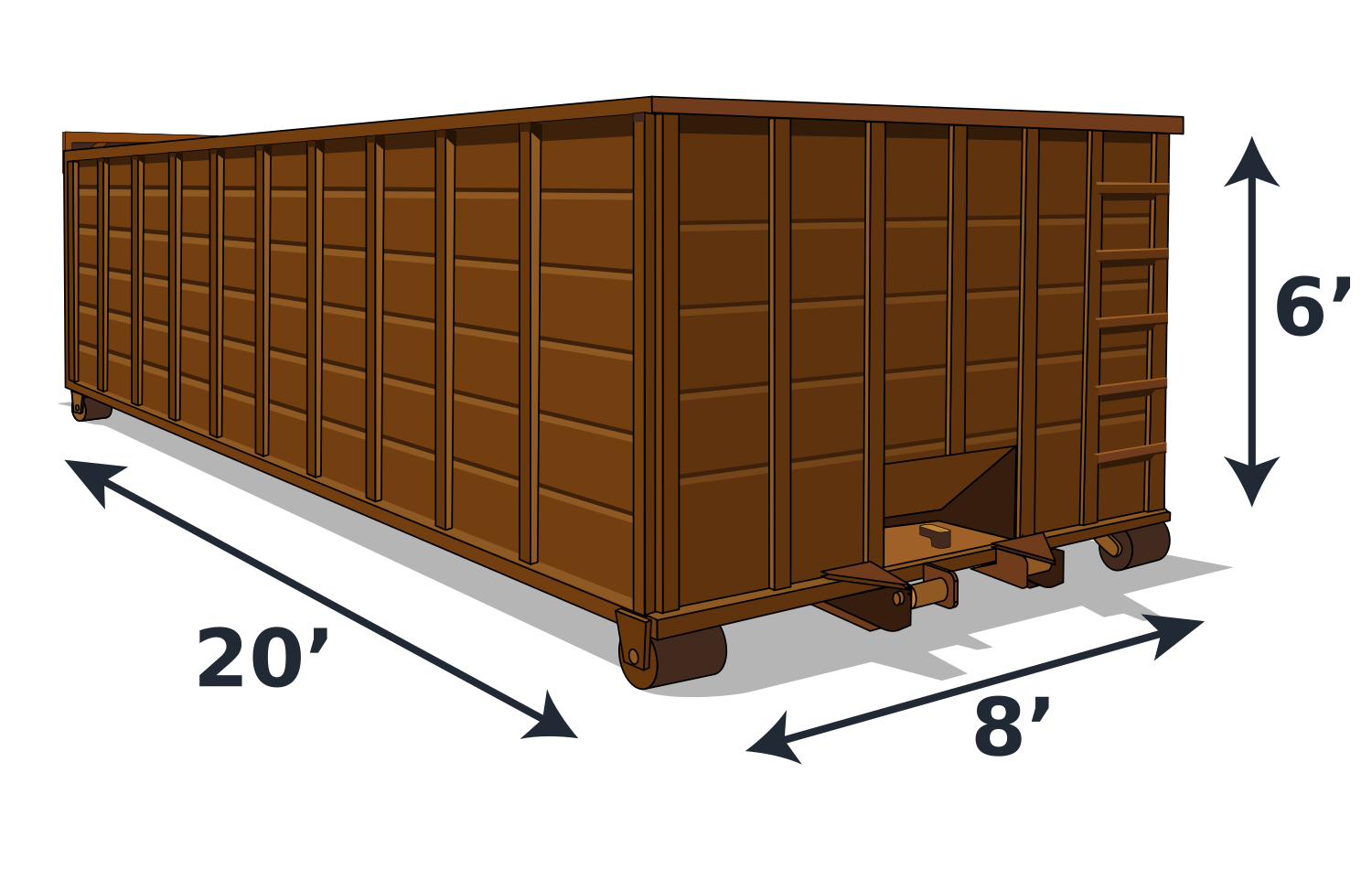
Most dumpster rental services offer a standard range of roll-off dumpster sizes. Each is measured by volume in cubic yards, not weight.
10-Yard Roll Off Dumpster
A 10-yard roll-off container works well for small projects.
Common uses include:
- Small home cleanouts
- Light residential dumpster needs
- Yard roll debris and trash
It holds about three pickup truck loads and is best for lighter materials.
20-Yard Roll Off Dumpster
The 20-yard option is one of the most popular dumpster sizes.
Typical uses include:
- Flooring removal
- Deck demolition
- Medium renovation projects
It offers a good balance between capacity and footprint, making it ideal for many residential dumpster rental jobs.
30-Yard Roll Off Dumpster
A 30-yard roll-off dumpster supports larger projects.
Common uses include:
- Home additions
- Estate cleanouts
- Larger demolition debris
This size reduces the need for multiple pickups.
40-Yard Roll Off Dumpster
The largest standard roll-off container is the 40-yard option.
Typical uses include:
- Commercial construction
- Major demolition
- Large site cleanups
This container requires ample space and careful planning due to weight limits.
How to Estimate Your Project Waste Volume
Accurate waste estimation starts with understanding what materials will be disposed of. Volume and weight must both be considered.
Helpful estimation methods include:
- Measuring rooms or debris piles
- Estimating by material type
- Counting expected pickup loads
For example, roofing waste is dense and heavy, while household junk fills space quickly but weighs less. Converting debris into cubic yards helps match the project to the right container size.
Adding a small buffer helps avoid underestimating debris.
Materials and Weight Considerations
Different materials affect a roll-off dumpster in different ways. Here are some tips for how to protect the driveway when renting a dumpster.
Heavy materials include:
- Concrete
- Bricks
- Dirt and refuse
Lighter materials include:
- Furniture
- Trash and garbage
- Yard roll debris
Mixing heavy materials without planning may cause weight overages or rejected pickups.
What Items Are Not Allowed in a Roll-Off Dumpster?
Most dumpster rental services restrict certain items for safety and environmental reasons.
Commonly prohibited items include:
- Tires
- Paint and chemicals
- Batteries
- Hazardous waste
Rules vary by location and local regulations, so guidelines should always be reviewed before disposing of uncommon materials.
For general disposal rules and waste guidelines, this informational resource provides helpful background:
https://www.epa.gov/recycle
Residential vs Construction Dumpster Needs
A residential dumpster is usually placed on a driveway and holds lighter, mixed debris. A construction project produces denser waste and often requires larger-sized dumpsters.
Residential projects typically involve:
- Shorter timelines
- Limited access
- Mixed household materials
Construction projects usually involve:
- Heavier debris
- Longer schedules
- Higher hauling frequency
Understanding these differences helps choose the right container for the job.
Dumpster Placement, Permits, and Local Rules
Dumpster placement depends on site access and local regulations. A container placed on private property may not require a permit, while street placement often does.
Important placement factors include:
- Site access for the truck
- Driveway strength
- Door and clearance space
- Address and zoning rules
Ignoring permit requirements can delay delivery or result in fines.
Pricing, Fees, and What Affects Cost
Pricing for a roll-off dumpster rental depends on several factors:
- Container size
- Rental duration
- Material type
- Delivery and pickup distance
Additional fees may apply for weight overages, extended rental time, or permit requirements.
How to Choose the Right Dumpster Size Step by Step
- Define the project scope
- List debris materials
- Estimate volume in cubic yards
- Confirm site access and placement
- Schedule delivery and pickup
Following these steps reduces errors and avoids unnecessary costs.
Frequently Asked Questions
What size roll-off dumpster do I need for a home cleanout?
Most home cleanouts fit within a 10- or 20-yard container, depending on volume and materials.
How much is a roll-off dumpster near me?
Costs vary by location, size, rental length, and disposal fees.
How much is the collection fee for Bagster?
Collection fees vary by region and are set by the service handling pickup and disposal.
How profitable is a roll-off dumpster?
Profitability depends on pricing, utilization, disposal costs, fuel, and scheduling efficiency.
Final Thoughts
Choosing the right roll-off dumpster is about planning, not guessing. Understanding dumpster sizes, materials, and site access helps control costs and prevent delays.
Estimating debris volume, reviewing guidelines, and confirming pickup details leads to a smoother project from start to finish. Careful planning creates a reliable waste solution that supports your work without unnecessary stress.