Last Update
Table of Contents
Choosing the wrong size in construction dumpster rentals can lead to wasted money, delays, and unnecessary stress.
Pick a dumpster that’s too small, and you’ll end up paying for extra hauls.
Choose one that’s too large, and you’re stuck paying for unused space.
That single decision can quietly increase your total project cost.
Many people struggle with estimating waste, understanding dumpster sizes, and dealing with local regulations.
In this guide, you’ll learn how construction dumpster rentals work, how to compare dumpster sizes, and how to pick the right dumpster for your specific project.
Understanding Construction Dumpster Rentals
What Are Construction Dumpster Rentals?
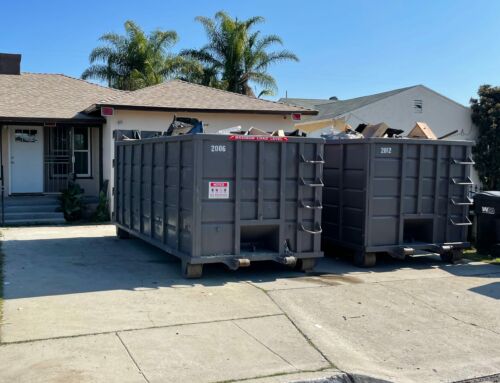
Construction dumpster rentals are used to handle large amounts of construction waste, demolition debris, and roofing debris from active job site environments.
A roll-off dumpster is delivered to your location and picked up once it’s full, making it a simple solution for temporary waste disposal needs.
These containers are essential for:
- Construction projects with high waste output
- Demolition jobs that create heavy debris
- Roofing projects that produce roofing debris
A construction dumpster is a large waste container designed to manage waste disposal safely and efficiently.
How They Differ from Residential Dumpsters
Residential dumpsters are smaller and built for lighter household or commercial waste.
They are commonly used for:
- Yard cleanups and yard waste
- Small home renovations
- Junk removal tasks
In contrast, construction dumpsters:
- Handle heavy materials like concrete
- Offer larger container sizes
- Support extended rental periods
Residential dumpster rental options are helpful for smaller jobs, while a yard roll-off dumpster or roll-off container is better suited for larger construction waste loads.
Dumpster Size Guide: Choosing the Right Yard Dumpster
Common Dumpster Sizes Explained
Understanding dumpster sizes is the key to avoiding overpaying.
Each size container is designed for different waste disposal needs.
10-yard dumpster
- Best for small projects and yard waste removal
- Handles light debris
- Lower weight limit
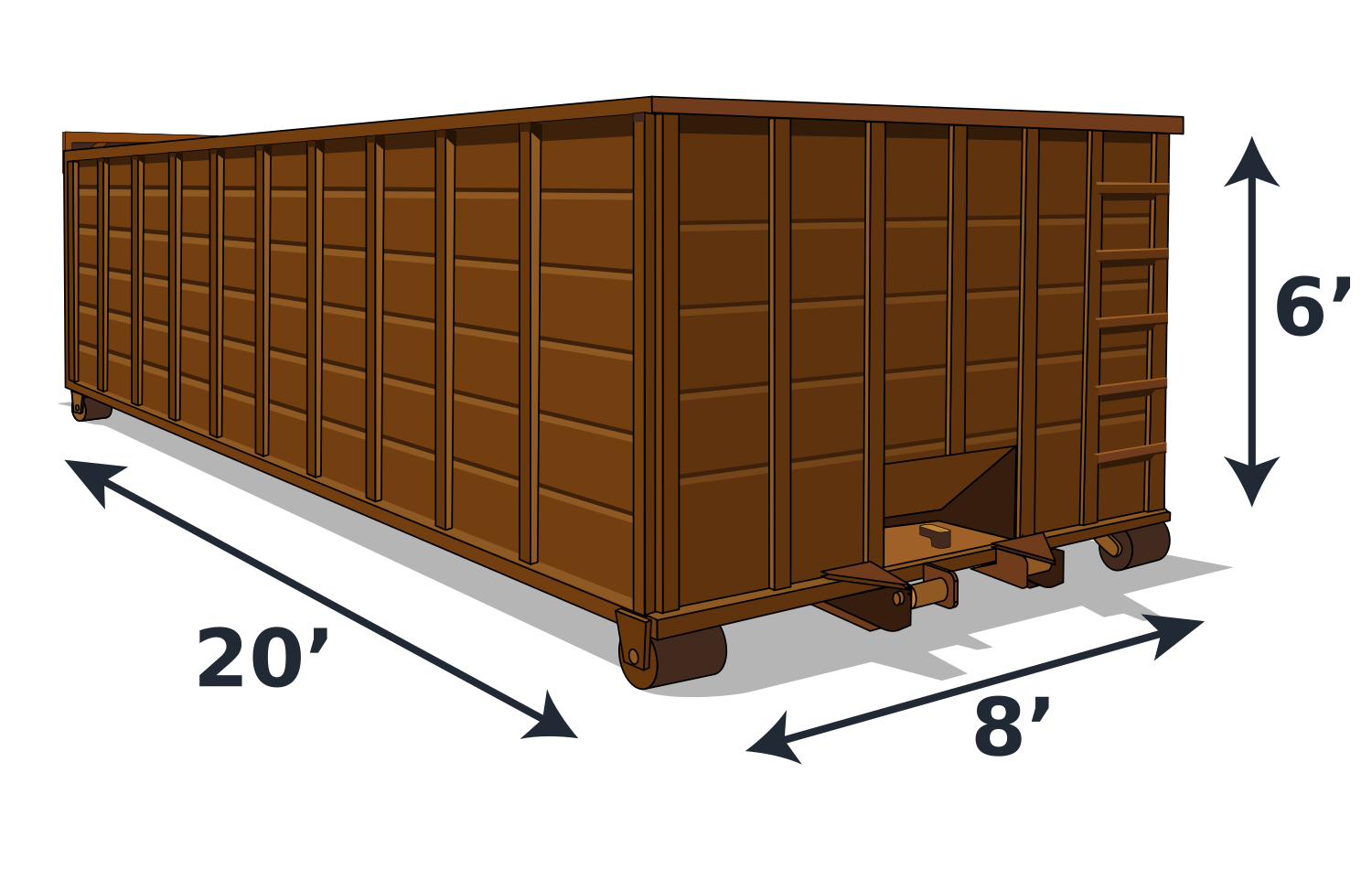
20-yard dumpster
- Ideal for roofing projects and medium construction projects
- Handles moderate construction debris
- Works well for home renovations
- Designed for major home remodels and large construction jobs
- Suitable for heavy debris
- Higher weight limit
40-yard dumpster
- Best for large-scale projects and demolition debris
- Holds the most waste
- Used for other large-scale projects
Quick Comparison Table
| Dumpster Size | Best For | Weight Limit |
|---|---|---|
| 10-yard | Small jobs | Low |
| 20-yard dumpster | Roofing projects | Medium |
| 30-yard dumpster | Major home remodels | High |
| 40-yard dumpster | Large construction jobs | Very High |
Choosing the right dumpster size depends on your project and the type of construction waste you need to dispose of.
Matching Dumpster Size to Your Construction Project
When you rent a dumpster, it’s important to match the size to your specific project.
Small Projects (Garage Cleanouts, Minor Remodels)
Residential dumpsters or a yard roll-off dumpster are ideal for:
- Yard waste and yard cleanups
- Light junk removal
- Small home renovations
Medium Projects (Kitchen Remodels, Roofing Projects)
A 20-yard dumpster is one of the most common choices for roofing projects.
It can handle:
- Roofing debris from average homes
- Kitchen remodels
- Moderate construction debris
Large Projects (New Construction, Demolition)
Large construction jobs require bigger container sizes, like a 30-yard dumpster or 40-yard dumpster.
These are suitable for:
- Demolition jobs with heavy debris removal
- Full home renovations
- Large construction projects
If you’re unsure, choosing a slightly larger dumpster can help avoid exceeding weight limits or needing another dumpster rental.
Key Factors That Impact Dumpster Size Selection
Type of Materials
Heavy materials like concrete or bricks can quickly reach the weight limit even if the dumpster isn’t full.
Lighter materials take up more space but weigh less.
Certain materials, like hazardous materials or medical waste, may not be allowed.
Project Duration
Your rental duration affects how long you can keep the dumpster.
Longer projects may require extended rental periods or multiple pickups.
Space Availability
Before scheduling dumpster delivery, check available space on the customer’s property.
Consider:
- Local regulations and local authorities
- Accessibility for a roll-off dumpster service
- Placement options for a large waste container
Planning ensures smooth delivery and pickup.
Cost Breakdown: How Dumpster Size Affects Pricing
What You Pay For
The cost of a dumpster rental depends on:
- Dumpster sizes and container sizes
- Rental duration
- Transportation costs and delivery
Larger dumpsters generally cost more upfront, but they may reduce total costs for large construction projects.
Hidden Costs to Avoid
Unexpected charges can increase your budget if you’re not careful.
Common hidden fees include:
- Exceeding weight limits
- Extra days beyond rental duration
- Local disposal fees and landfill taxes
Comparing the cost per yard roll helps you find better value.
Common Mistakes When Renting Construction Dumpsters
Underestimating Debris Volume
Underestimating waste leads to additional dumpster rental orders.
Ignoring Weight Limits
Heavy debris can result in incurring overweight fees.
Choosing Based on Price Alone
Low pricing can sometimes mean limited capacity or hidden fees.
Planning properly helps you avoid these issues.
Pro Tips to Avoid Overpaying on Construction Dumpster Rentals
Get Accurate Debris Estimates
Estimate your waste before you rent a dumpster to avoid overpaying.
Choose the Right Rental Period
Avoid keeping the dumpster longer than needed.
Compare Cost Per Yard
Focus on value rather than just total price.
Helpful tips:
- Schedule prompt delivery
- Avoid prohibited items like hazardous waste
- Work with a reliable customer service team
Environmental Considerations in Construction Waste Disposal
Proper waste disposal helps reduce environmental impact.
Many materials from construction projects can be recycled instead of being sent to landfills.
Recycling reduces landfill taxes and supports sustainable practices.
You can follow guidelines from the Environmental Protection Agency to ensure safe disposal of construction waste.
FAQ Section
What size dumpster do I need for a construction project?
Small projects need residential dumpsters, while larger construction jobs require a 30-yard dumpster or 40-yard dumpster.
How much do construction dumpster rentals cost?
Costs vary based on dumpster sizes, weight limit, and rental duration.
What can you put in a construction dumpster?
You can dispose of construction debris, roofing debris, and demolition debris.
Avoid hazardous materials unless allowed.
How long can I keep a dumpster rental?
Most dumpster service providers offer flexible rental duration options.
Do I need a permit for a dumpster?
Local regulations may require permits depending on placement.
What happens if I exceed the weight limit?
You may be charged an additional fee for exceeding weight limits.
Conclusion
Choosing the right dumpster size is critical for keeping your project efficient and cost-effective.
From small home renovations to large construction projects, the right dumpster helps you manage waste disposal without unnecessary costs.
Understanding dumpster sizes, weight limits, and project needs allows you to avoid hidden fees and delays.
Take the time to plan carefully, evaluate your waste disposal needs, and select the right dumpster to keep your project running smoothly.