Last Update
Table of Contents
Roll-off dumpsters are one of the most effective tools for managing waste during renovation and remodel projects.
Any residential or construction project creates debris faster than most people expect, especially once demolition begins.
Without a clear plan, waste piles up in garages, yards, and work areas, slowing progress and creating safety risks.
Renovation waste becomes unmanageable when homeowners rely on standard trash bins or repeated landfill trips.
These methods quickly fall short once heavy materials, bulky debris, and large volumes enter the picture.
By the end of this article, you will understand sizing, weight limitations, placement rules, local regulations, and cost factors that affect roll-off dumpsters for any residential or construction project.
What Are Roll Off Dumpsters and How Do They Work?
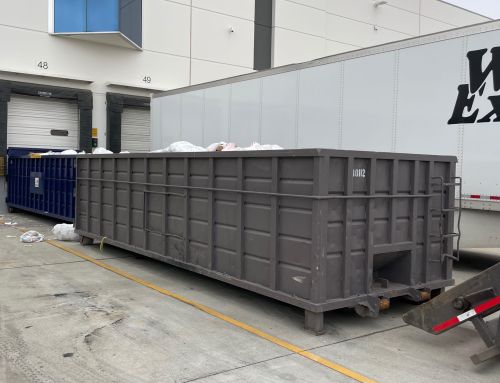
Roll-off dumpsters are large, open-top containers designed for temporary waste removal during a specific project.
They are delivered by a truck, placed on-site, filled with debris, and removed once the rental duration ends.
A standard roll-off dumpster rental follows a simple process.
You choose a size dumpster, schedule a drop off, load materials during the project, and arrange pickup when finished.
Unlike standard household waste bins, roll-off containers handle bulky debris and heavy materials.
They are commonly used for residential remodels, garage clean-outs, yard clean-outs, and construction projects.
Key characteristics of roll-off dumpsters include:
- Open top dumpster design for easy loading
- Large capacity measured in cubic yards
- Built for demolition debris and construction debris
- Temporary placement on private property or permitted areas
A yard roll-off dumpster works well for yard waste and small cleanups.
Larger projects often require the largest container available to handle debris efficiently.
Why Renovation Projects Generate So Much Waste
Renovation waste grows quickly once demolition starts.
Removing drywall, flooring, cabinets, and fixtures creates mixed debris that standard containers cannot handle.
Projects often expand beyond the original plan.
Hidden damage behind walls or under flooring increases demolition needs and debris volume.
DIY remodels usually create more waste than expected.
Errors, rework, and over-removal add to debris weight and fill dumpsters faster.
Common renovation debris includes:
- Drywall and insulation
- Flooring materials
- Wood framing
- Concrete and masonry
- General junk from clean-outs
Without roll-off dumpsters, debris spreads across the garage, yard, and house entry points.
How Roll Off Dumpsters Simplify Renovation Cleanup
Centralized containment is one of the biggest benefits of roll-off dumpsters.
All debris goes into one container instead of being moved multiple times.
This improves job-site organization and reduces labor fatigue.
Less clutter also lowers the risk of injury during demolition and cleanup.
Advantages of using roll-off dumpsters include:
- Faster cleanup after demolition
- Improved safety at the construction site
- Better debris control throughout the project
- Reduced need for repeated disposal trips
For garage cleanouts, a yard dumpster keeps waste from piling up inside the house.
For large construction jobs, roll-off dumpsters prevent material buildup that delays progress.
Choosing the Right Dumpster Size for Your Project
Selecting the right dumpster size is critical to managing waste efficiently.
Choosing too small leads to overage fees, while choosing too large increases the cost unnecessarily.
Common Dumpster Sizes and Typical Use Cases
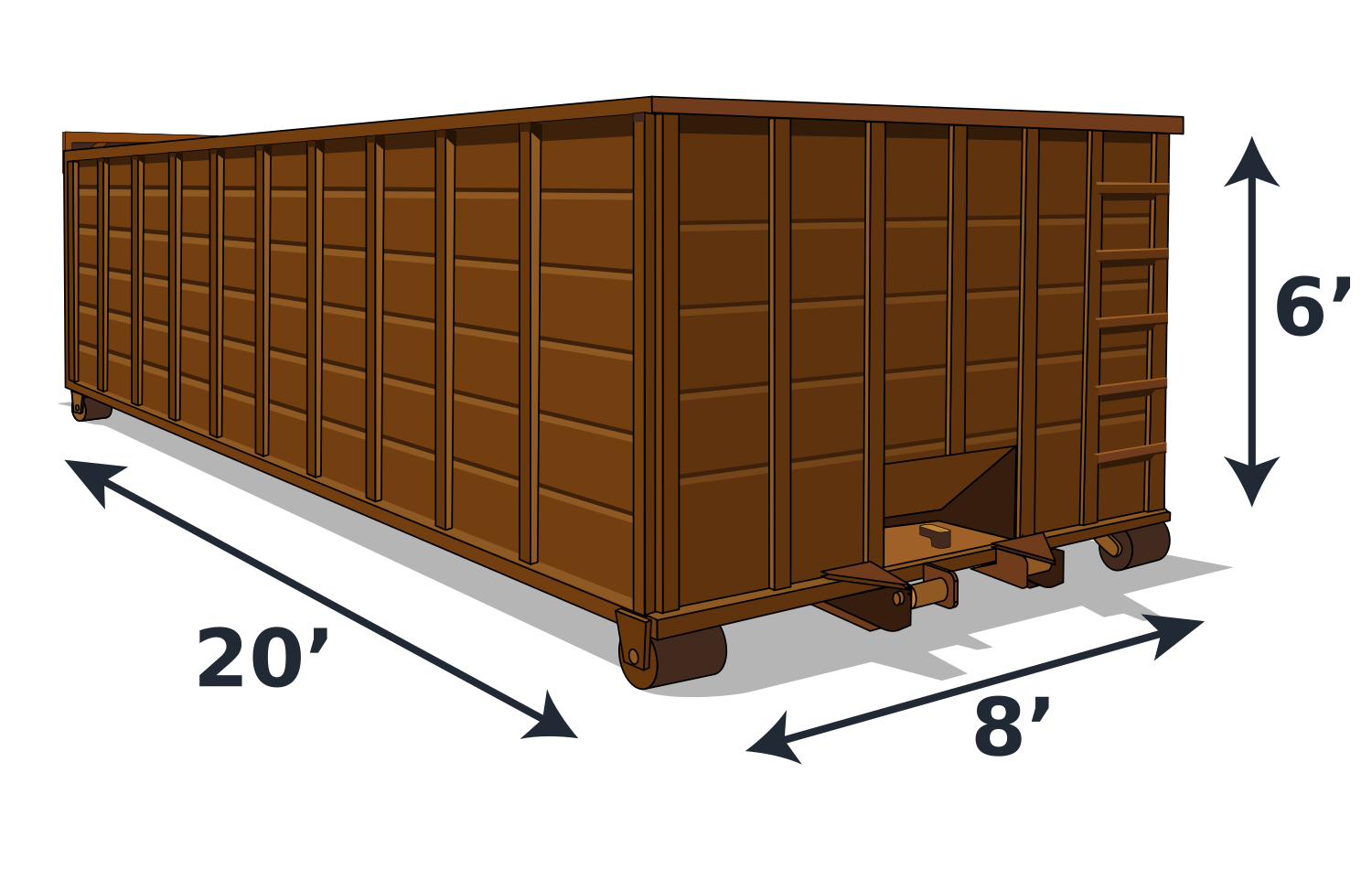
Dumpster sizes are measured in cubic yards, which represent volume.
- 10 cubic yards: small cleanouts, yard waste, small cleanups
- 20 cubic yards: kitchen remodels, flooring removal, garage clean outs
- 30 cubic yards: full home renovations, major demolition
- 40 cubic yards: large-scale projects and large construction jobs
A yard roll container is often used for landscaping debris.
The largest container is better for demolition-heavy projects.
Factors That Affect Dumpster Size Selection
The type of materials matters as much as volume.
Concrete, roofing, and flooring add significant weight.
Project length also plays a role.
Longer projects benefit from a larger size dumpster to avoid overage fees.
Choosing the right size dumpster upfront prevents delays and additional fee charges.
Weight Limits and Weight Limitations Explained
Every dumpster rental includes a defined weight limit.
Exceeding this limit results in overage fees added to the final price.
Why weight matters:
- Heavy materials like concrete reach limits quickly
- Debris weight affects disposal processing
- Trucks have safety weight limitations
Smaller dumpster sizes allow less weight.
Larger containers include higher weight allowances but still have limits.
Understanding weight limitations helps avoid hidden fees and cost increases.
More weight always increases disposal cost.
Materials Accepted and Restricted in Roll-Off Dumpsters
Most roll-off dumpsters accept common residential and construction materials.
However, not everything can be disposed of this way.
Accepted materials typically include:
- Wood and framing
- Drywall and insulation
- Flooring
- Yard waste
- General junk
Restricted materials often include:
- Hazardous materials
- Hazardous waste
- Medical waste
- Tires
- Liquids and chemicals
Local regulations and local disposal fees determine restrictions in most cities.
Sorting materials properly prevents penalties and delays.
Placement Rules, Permits, and Property Considerations
Most roll-off dumpsters are placed on private property, such as a driveway.
Street placement often requires a permit.
Placement considerations include:
- Space for truck access
- Safe drop-off and pickup clearance
- Surface protection for driveways
Permit requirements depend on location and local regulations.
Planning placement early avoids delays on the scheduled business day.
Dumpster Rental Prices and Cost Factors
Dumpster rental prices vary based on several factors.
Size, location, rental duration, and debris weight all affect cost.
Key cost factors include:
- Dumpster size
- Weight limit allowances
- Rental duration
- Local disposal fees
- Pickup timing
Some dumpster rental companies offer flat pricing.
Others charge variable rates with overage fees.
Understanding dumpster rental prices helps identify the best price for a specific project.
Hidden Fees and How to Avoid Them
Hidden fees often come from exceeding weight limits or disposing of restricted materials.
An extended rental duration can also trigger an additional fee.
Common hidden fees include:
- Overage fees for excess weight
- Fees for prohibited materials
- Extra days beyond the rental duration
- Additional pickup requests
Choosing the right dumpster size and understanding materials restrictions helps prevent these charges.
Environmental Benefits of Proper Waste Disposal
Proper waste disposal reduces illegal dumping and landfill strain.
Many construction materials can be recycled when sorted correctly.
Responsible waste handling supports cleaner communities.
It also aligns with sustainable construction practices.
Roll Off Dumpsters vs Other Cleanup Options
Junk removal services remove debris for you, but reduce control.
Bag-based systems work only for small cleanups and light waste.
Repeated landfill trips increase time and fuel cost.
Contractor-managed disposal limits flexibility.
Roll-off dumpsters provide the best balance of control, cost, and convenience for most projects.
Common Pricing Questions
How much does a 20-yard roll-off dumpster cost to buy?
Buying a container can cost several thousand dollars.
Most homeowners choose to rent instead.
How much is it to rent a roll-back dumpster?
Rental cost depends on size, location, weight limit, and debris type.
Prices vary widely by region.
How much is the collection fee for Bagster?
Collection fees vary by location and disposal rules.
Cost per cubic yard is often higher than that of dumpsters.
How to price a roll-off dumpster?
Pricing depends on size, rental duration, weight limit, and disposal fees.
Common Mistakes to Avoid
Overfilling dumpsters leads to overage fees.
Disposing of hazardous waste causes delays and penalties.
Choosing the wrong size container increases cost.
Ignoring local regulations can halt a project.
Planning prevents these issues.
Final Thoughts on Roll Off Dumpsters for Renovation Projects
Roll-off dumpsters simplify waste management for renovation and remodeling projects.
They keep debris contained, organized, and easy to manage.
Choosing the right dumpster size, understanding weight limits, and planning placement reduces delays and extra cost.
Clear knowledge of dumpster rental prices helps avoid hidden fees.
Whether handling garage clean-outs, yard roll debris, or demolition waste, planning waste removal early supports smoother projects and better results.