Last Update
Table of Contents
A roll-off dumpster rental is one of the simplest ways to manage waste during any project.
Whether you’re cleaning out junk from an attic, handling renovations, or coordinating large construction, choosing the right dumpster keeps your project on schedule and within budget.
Many customers underestimate how important dumpster sizes are.
The right dumpster size affects pricing, weight limit restrictions, permit requirements, and overall service efficiency.
This guide explains how a roll-off dumpster works, compares yard dumpster options, and answers common pricing and cost questions so you can rent with confidence.
What Is a Roll-Off Dumpster Rental?
A roll-off dumpster rental is a temporary waste solution delivered directly to your location.
A roll-off container is transported by truck and carefully placed in your driveway, job site, or approved area for a set rental period.
Unlike junk removal services that load materials for you, this service allows you to fill the dumpster at your own pace.
Once your project is complete, the company schedules pickup and hauls the waste to the proper disposal site.
This approach gives customers control over cleanup timing and cost.
How a Roll-Off Dumpster Works
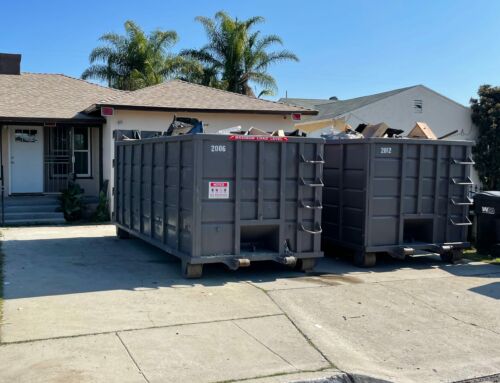
A roll-off dumpster sits on wheels and rolls off the back of a truck during delivery.
The roll-off container remains on-site during your rental period.
When finished, the company schedules pickup and hauls the waste away.
Dumpster delivery usually takes minutes, but planning placement in your driveway or designated location matters.
If you’re preparing for your next project, review your options for a roll off dumpster rental to coordinate timing and space before delivery arrives.
Common Projects That Require a Dumpster
Dumpster rental services are used across residential and commercial projects.
Typical uses include:
- Home renovations
- Roofing projects involving roofing shingles
- Light demolition
- Large construction cleanup
- Office remodel projects
- Attic cleanout
- Garage junk removal
- Yard waste cleanup
For renovations and demolition, a yard dumpster provides enough capacity to handle debris safely.
Understanding Dumpster Sizes and Yard Dumpster Options
Dumpster sizes are measured in cubic yards.
A yard dumpster describes how much waste the container can hold.
Common roll off dumpster rental sizes include:
- 10-yard dumpster
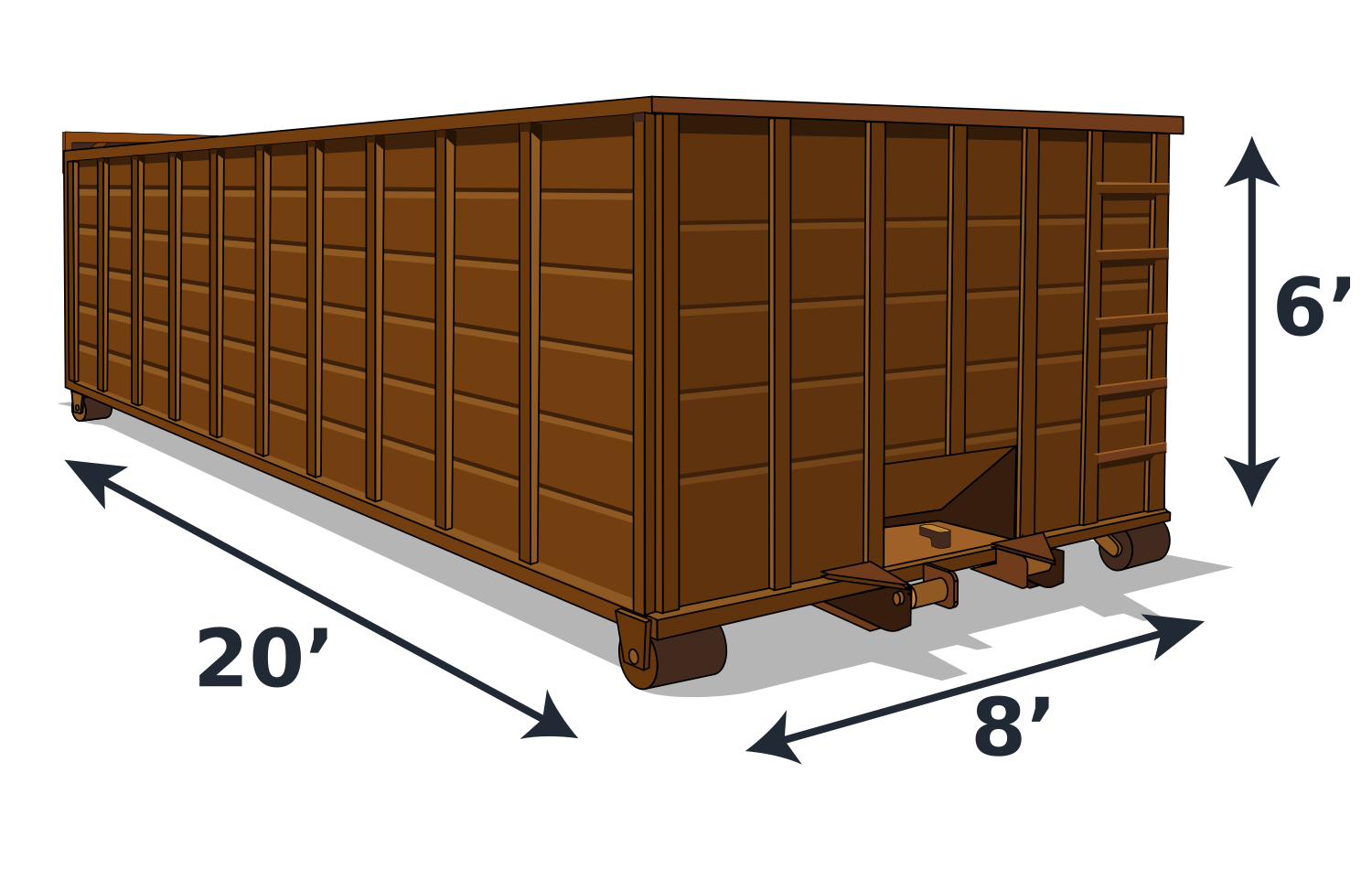
- 20-yard dumpster
- 40-yard dumpster
Each roll-off container has a set weight limit and volume range.
10 Yard Dumpster
The 10-yard dumpster is ideal for small cleanup projects.
It works well for attic junk removal, brick disposal, or small concrete projects.
This size roll-off container holds heavy materials but has a lower set weight limit.
It is often selected for light demolition or minor renovations.
Its compact design makes delivery easier in tight driveway spaces.
20 Yard Dumpster
The 20-yard dumpster is one of the most popular dumpster sizes.
It supports mid-sized renovations, roofing, and residential cleanup.
Many customers rent this yard dumpster because it offers the right balance between capacity and pricing.
It can handle debris from kitchen remodels, flooring removal, and medium construction jobs.
Weight limits vary, but most 20-yard dumpster rentals fall within a manageable range for residential projects.
40 Yard Dumpster
The 40-yard dumpster is designed for larger projects.
It is often used for large construction, office renovations, and demolition cleanup.
This 40-yard dumpster roll off container provides maximum cubic yard capacity.
However, customers must be careful with heavy materials like concrete to avoid overweight fees.
For major cleanup, this yard dumpster provides flexibility and efficiency.
How to Choose the Right Dumpster Size
Selecting the right dumpster size helps prevent extra fees and project delays.
Step 1: Identify Your Project
Start by defining your project.
Are you replacing roofing shingles? Performing renovations? Clearing junk from an attic?
Small projects may only require a 10-yard dumpster.
Larger projects often benefit from a 20-yard dumpster or even a 40-yard dumpster.
Understanding your scope ensures you rent the right size.
Step 2: Estimate Debris and Materials
Concrete and brick are dense and heavy materials.
Furniture and junk take up space but weigh less.
Each yard dumpster has a set weight limit. Exceeding that limit leads to additional fees.
Always consider both volume and weight before you rent.
Step 3: Review Local Regulations and Permit Rules
Local regulations sometimes require a permit if the dumpster sits on a public street.
Your local municipality may enforce placement rules depending on location.
Check permit requirements in advance to avoid delays in delivery or unexpected fees.
Dumpster Rental Pricing Explained
Dumpster rental pricing depends on several factors.
Key elements include:
- Dumpster sizes
- Weight limit
- Rental period
- Delivery distance
- Pickup scheduling
- Disposal fees
- Competitive pricing structures
Clear pricing should outline all costs before you rent. Some companies advertise low rates but add hidden fees later.
Competitive pricing includes delivery, pickup, and a defined rental period.
Is It Cheaper to Get a Dumpster or Go to the Dump?
Many customers ask whether it is cheaper to haul waste themselves.
Driving to the dump requires fuel, time, truck access, and multiple trips.
For larger projects, these costs add up quickly.
A roll-off dumpster rental simplifies the process.
You receive one delivery, one pickup, and a clear rental cost. For significant debris removal, it is often the best option.
How Much Does a 20 Yard Roll-Off Dumpster Cost to Buy?
Buying a 20-yard dumpster can cost thousands of dollars.
You must also store the container and maintain hauling equipment.
For most projects, renting is far more cost-effective.
A roll-off container rental provides flexibility without long-term expense.
What’s the Cheapest Way to Get Rid of Junk?
The cheapest solution depends on volume.
Small junk loads may fit within municipal pickup limits.
Larger cleanup projects often benefit from a residential dumpster rental.
Compared to junk removal services that charge by volume, a yard dumpster lets you control costs and schedule.
How to Price a Roll-Off Dumpster
Companies calculate pricing based on:
- Dumpster sizes
- Rental period
- Weight allowance
- Delivery and pickup distance
- Disposal fees
- Service demand
Customers should review rental details carefully to understand the total cost.
What Can and Cannot Go in a Dumpster
Most dumpsters allow common materials such as:
- Furniture
- Construction debris
- Roofing shingles
- Brick and concrete
- Yard waste
However, hazardous materials and hazardous waste cannot be placed in a roll-off dumpster.
Items like batteries must be disposed of separately to protect the environment; review dumpster rental frequently asked questions to understand proper waste categories and disposal methods.
Always confirm accepted materials before disposing.
Avoid Common Dumpster Rental Mistakes
Protect your budget and project timeline by avoiding these mistakes:
- Choosing the wrong dumpster size
- Ignoring weight limit rules
- Failing to obtain a permit
- Overfilling the container
- Disposing of prohibited materials
- Misunderstanding rental details
Working with experienced companies and a responsive team helps ensure smooth service.
Benefits of Using a Roll-Off Dumpster Rental Service
There are clear benefits to using roll-off containers for cleanup:
- Efficient waste management
- Reduced landfill trips
- Organized job sites
- Flexible rental options
- Clear pricing
- Competitive pricing structures
For residential dumpster projects and commercial service needs, this approach simplifies disposal.
Planning Your Dumpster Delivery and Pickup
Schedule delivery to align with your project start date.
Make sure your driveway or selected location is clear of equipment and obstacles before the truck arrives.
Plan pickup at the end of your rental period to avoid extra fees.
Most customers contact the office or order online to schedule service details.
Final Thoughts on Dumpster Rental
Choosing the right dumpster protects your budget, prevents delays, and supports efficient waste disposal.
Understanding dumpster sizes, weight limits, pricing structure, permit requirements, and rental terms ensures a smooth experience.
Whether you need a 10-yard dumpster for attic junk, a 20-yard dumpster for renovations, or a 40-yard dumpster for demolition, planning makes the process easier.
Compare yard dumpster options, review local regulations, and work with a knowledgeable team to rent the right roll-off container for your next cleanup project.