Last Update
Table of Contents
Roll-off dumpster rentals can quickly turn into a costly mistake if you choose the wrong size dumpster.
Pick too small, and you will need multiple pickup trips.
Pick too large, and you pay for space you never use.
Every project creates waste, whether you are cleaning out a house, handling light demolition, or managing construction projects.
The key is matching dumpster sizes with your actual debris volume so your rental stays efficient and affordable.
In this in-depth guide, you will learn how dumpster rental works, how to compare dumpster sizes, how to estimate waste, and how to avoid hidden fees while choosing the right dumpster for your specific project.
What Are Roll Off Dumpster Rentals and How Do They Work?
Definition and Key Features
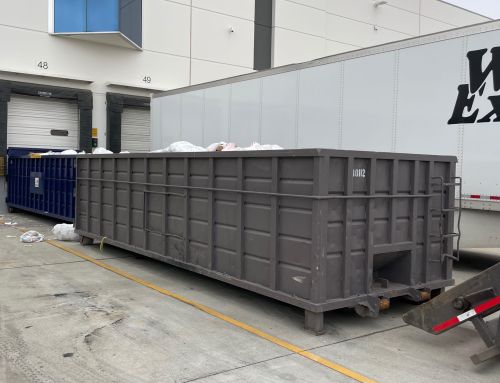
Roll-off dumpster rentals are temporary waste disposal services that use large rectangular containers called roll-offs.
These dumpsters have an open top, making them easy to load with debris, furniture, and building materials.
A roll-off dumpster is delivered to your location, placed on your driveway or private property, and picked up after your rental period ends.
Most rental periods last between 5 and 10 days, giving you enough time to fill the dumpster.
Key features include:
- Open top for easy loading
- Large capacity for a significant amount of waste
- Flexible rental period options
- Easy pickup scheduling
Roll-offs are commonly used across the waste industry for residential and business cleanup projects, especially when using roll-off dumpster rentals
Common Use Cases
Roll-off dumpsters support many types of projects:
- Residential cleanouts and junk removal
- Roofing jobs with roofing shingles
- Yard cleanup using a yard roll-off dumpster
- Construction projects and demolition work
These services are designed for both residential dumpster rental and business dumpster rentals where waste builds up quickly.
Standard Dumpster Sizes and Their Capacity
Understanding common dumpster sizes helps you match the container to your waste volume.
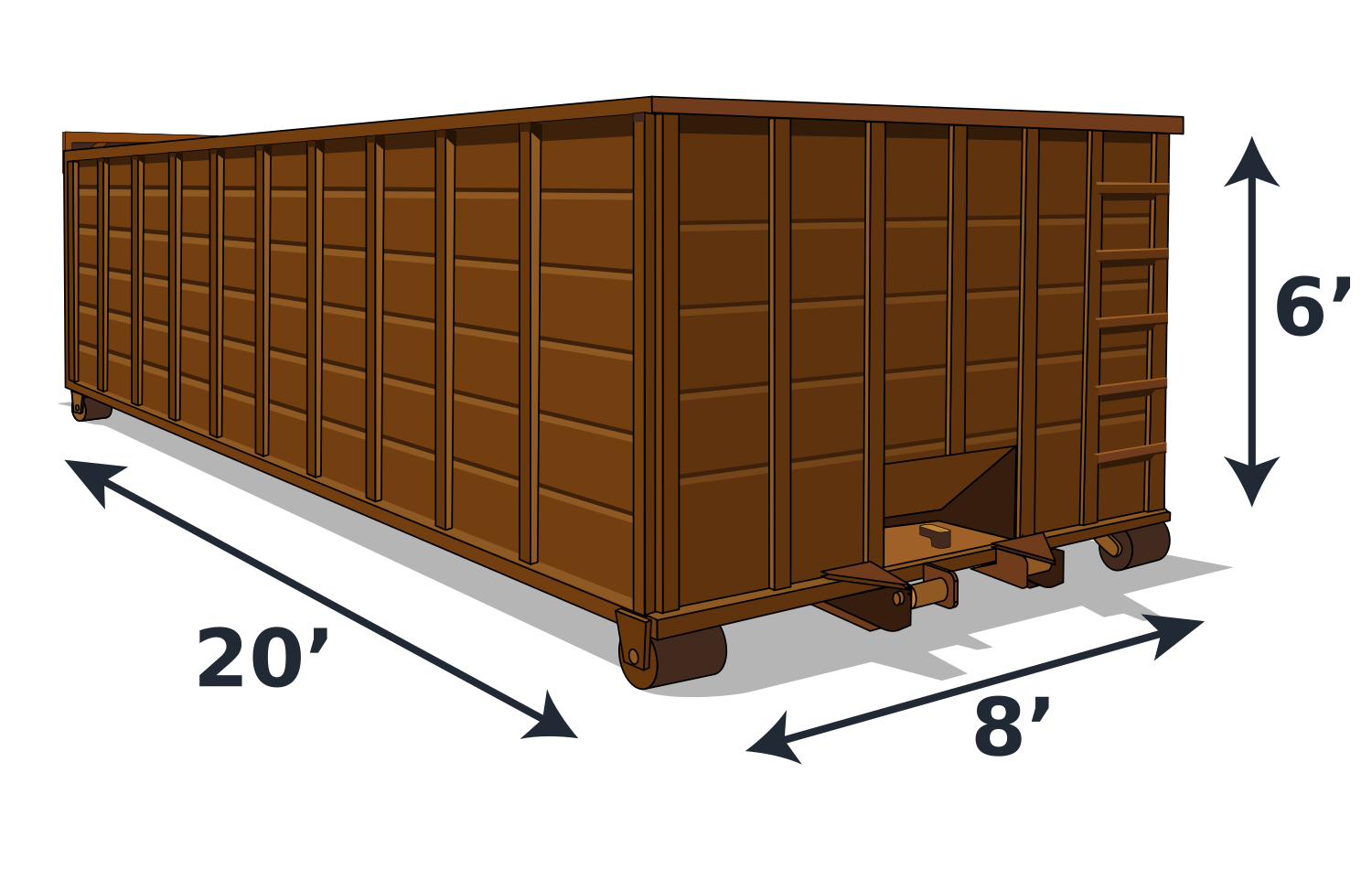
Most roll-off dumpster rentals range from 10 to 40 cubic yards.
10 Yard Dumpster
A 10-yard dumpster is ideal for small projects.
- Holds about 4 pickup loads
- Works well for light demolition or garage cleanouts
- Handles small amounts of debris and furniture
This size dumpster is perfect when waste volume is limited.
20 Yard Dumpster
The 20-yard dumpster is one of the most popular options.
- Ideal for residential projects and remodeling
- Handles flooring removal and drywall disposal
- Supports medium waste loads
This yard dumpster is the right fit for most house renovation tasks.
30 Yard Dumpster
The 30-yard dumpster handles larger jobs.
- Suitable for junk removal and large home cleanouts
- Works well for construction debris
- Can handle a significant amount of waste
This size is often used for residential dumpster rental and business cleanup.
40 Yard Dumpster
The 40-yard dumpster is built for heavy use.
- Ideal for large construction and demolition projects
- Handles large amounts of debris and heavy debris
- Best for commercial jobs
This 40 yard dumpster option is used for large construction work and major disposal needs.
Dumpster Sizes Comparison Table
| Dumpster Sizes | Capacity | Best Project |
|---|---|---|
| 10-yard dumpster | Small loads | Light demolition |
| 20-yard dumpster | Medium loads | Residential projects |
| 30-yard dumpster | Large loads | Renovation cleanup |
| 40-yard dumpster | Maximum | Large construction |
| Key insights: |
- Dumpster sizes are measured in cubic yards
- Dimensions affect how much waste you can fill
- Overloading leads to extra costs and fees
How to Choose the Right Dumpster Size for Your Project
Evaluate Your Project Scope
Start by understanding your project size.
- Small house cleanouts need a 10-yard dumpster
- Medium renovation projects use a 20-yard dumpster
- Large demolition or construction projects require a 30 or 40-yard dumpster
Choosing the right dumpster depends on the scale of your work.
Estimate Waste Volume
Waste estimation is critical.
- Compare debris to pickup loads
- Account for unexpected materials
- Plan for a significant amount of waste
If unsure, it is safer to rent a slightly larger dumpster.
Consider Weight Limit
Each roll-off dumpster has a weight limit.
- Heavy materials like concrete, bricks, and dirt add weight quickly
- Lighter items like furniture or drywall take up more space but weigh less
Exceeding the weight limit leads to additional pricing charges at the landfill.
Space and Placement Constraints
Placement matters.
- Most residential users place dumpsters on the driveway
- Street placement may require a permit
- Ensure enough space for delivery trucks
Clear the area before dumpster delivery to avoid delays and follow basic dumpster rental safety tips to protect people and property.
Key tips:
- Always plan for extra debris
- Choose the right fit based on the waste type
- Consider dimensions and available space
Common Mistakes When Renting a Dumpster
Underestimating Waste
Many people underestimate waste volume.
This leads to:
- Overflowing dumpsters
- Extra pickup requests
- Higher cost
Ignoring Weight Restrictions
Heavy materials like concrete can exceed limits even when the dumpster is not full.
Choosing Based on Price Alone
Lower pricing does not always mean better value.
A smaller dumpster may require multiple rentals, increasing overall cost.
Not Checking Prohibited Items
Certain materials are not allowed:
- Hazardous waste and hazardous materials
- Batteries and medical waste
- Electronics and chemicals
Always review local regulations and consider essential questions to ask before renting a dumpster for disposing of items.
Key reminders:
- Plan carefully
- Understand guidelines
- Avoid hidden fees
Cost Factors for Roll Off Dumpster Rentals
The cost of roll-off dumpster rentals depends on several factors.
Dumpster Size and Rental Duration
- Larger dumpster sizes cost more
- A longer rental period increases pricing
Typical cost ranges from $400 to $1,600, depending on location and size.
Weight and Disposal Fees
Every dumpster rental includes a weight limit.
- Exceeding limits results in extra charges
- Landfill fees depend on debris type
Weight limits usually range from 2 to 10 tons.
Location and Accessibility
Location affects pricing.
- Urban areas often cost more
- Limited access increases delivery and pickup fees
Additional Fees
Extra charges may include:
- Permit fees
- Overage charges
- Extended rental costs
For more details on waste systems and landfill practices, review this waste management guide.
How Dumpster Rental Works Step by Step
Understanding how dumpster rental works and how to find the right dumpster rental company helps simplify the process.
Step 1: Choose Your Size
Select the right dumpster size based on your project and waste volume.
Step 2: Schedule Delivery
Schedule dumpster delivery at your location.
Make sure the driveway or private property area is clear.
Step 3: Fill the Dumpster
Load materials evenly.
- Break down furniture
- Distribute heavy debris
- Fill gaps to maximize space
Step 4: Request Pickup
You can request pickup online or by phone once your dumpster is full.
Delivery and pickup usually happen during business hours, and you may not need to be present.
Pro Tips to Maximize Dumpster Efficiency
Load Strategically
- Place heavy materials at the bottom
- Spread weight evenly
Break Down Materials
- Cut large items into smaller pieces
- Reduce air gaps
Avoid Empty Space
- Stack debris tightly
- Fill all available space
Plan Your Schedule
- Avoid keeping the dumpster longer than needed
- Schedule pickup to reduce rental costs
Efficient loading helps you save money and time.
When to Upgrade or Downsize Your Dumpster
Signs You Need a Larger Dumpster
- Debris is overflowing
- Multiple pickups are required
- Waste exceeds expectations
Signs You Chose Too Large
- The dumpster is underfilled
- You paid for unused space
Adjusting your dumpster size early can reduce cost.
Environmental Considerations and Waste Disposal
Proper waste disposal supports sustainability.
Recycling Opportunities
Many materials can be recycled:
- Metal
- Wood
- Concrete
Proper Waste Sorting
Separating waste reduces landfill impact.
Follow Local Regulations
Always follow local regulations to avoid penalties.
- Check the rules for disposal
- Confirm accepted materials
Responsible waste handling benefits both your project and the environment.
Residential Dumpster Rental FAQs
What size roll-off dumpster do I need for a home cleanout?
Most residential projects use a 10-yard dumpster or a 20-yard dumpster.
A small house cleanout fits in 10 yards, while larger jobs need 20 yards.
How much can a roll-off dumpster hold?
Capacity depends on dumpster sizes.
A 10-yard dumpster holds about 4 pickup loads, while a 40-yard dumpster holds up to 12 loads.
What happens if I exceed the weight limit?
Exceeding the weight limit results in extra cost.
Heavy debris, like concrete, increases total weight quickly.
Can I mix different types of waste?
Yes, but hazardous materials, batteries, and medical waste are restricted.
Do I need a permit?
A permit is required for street placement, but not for private property.
How long can I keep the dumpster?
Most rental periods last 5–10 days, depending on the service.
Dumpster Rental FAQs
Readers often have additional questions about waste types, disposal methods, and services, many of which are addressed in our comprehensive dumpster rental frequently asked questions resource.
This section covers common dumpster rental FAQs to help you plan your project.
- Confirm accepted materials before disposing of them.
- Check dimensions and weight limit
- Understand pricing and rental terms
Conclusion
Choosing the right dumpster size is essential for any project.
The wrong choice leads to wasted money, delays, and frustration.
Focus on key factors:
- Project size and waste volume
- Dumpster sizes and dimensions
- Weight limits and pricing
Careful planning ensures your dumpster rental stays efficient and cost-effective.
Make informed decisions, match your needs with the right dumpster, and complete your project without unnecessary setbacks.