Last Update
Table of Contents
Introduction
Halfway through a home renovation or cleanup, you might find yourself staring at a roll-off dumpster, wondering, “Can I throw this in there?” That question can save you from surprise charges or rejected loads. Roll-off dumpsters are one of the most convenient and efficient ways to manage waste disposal for residential, commercial, and construction projects. But not everything belongs inside them.
A roll-off dumpster rental can make any cleanup easier—whether it’s clearing out an attic, handling construction debris, or managing yard waste. Yet, tossing in restricted items can result in hidden fees or even environmental penalties.
This article will break down:
- What you can safely toss in a dumpster
- What to avoid
- Why are certain items prohibited
- How to avoid overage fees and choose the right dumpster size for your specific project
If you’re asking, “What can I put in a roll-off dumpster?”—you’re in the right place.
Understanding the Basics of a Roll-Off Dumpster
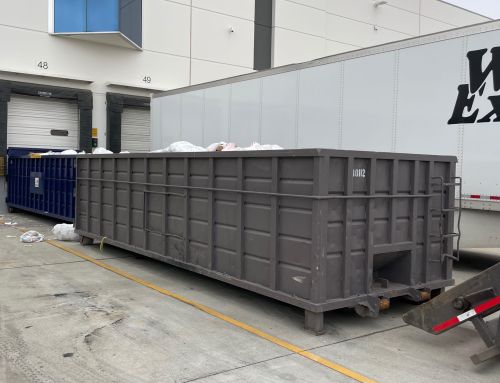
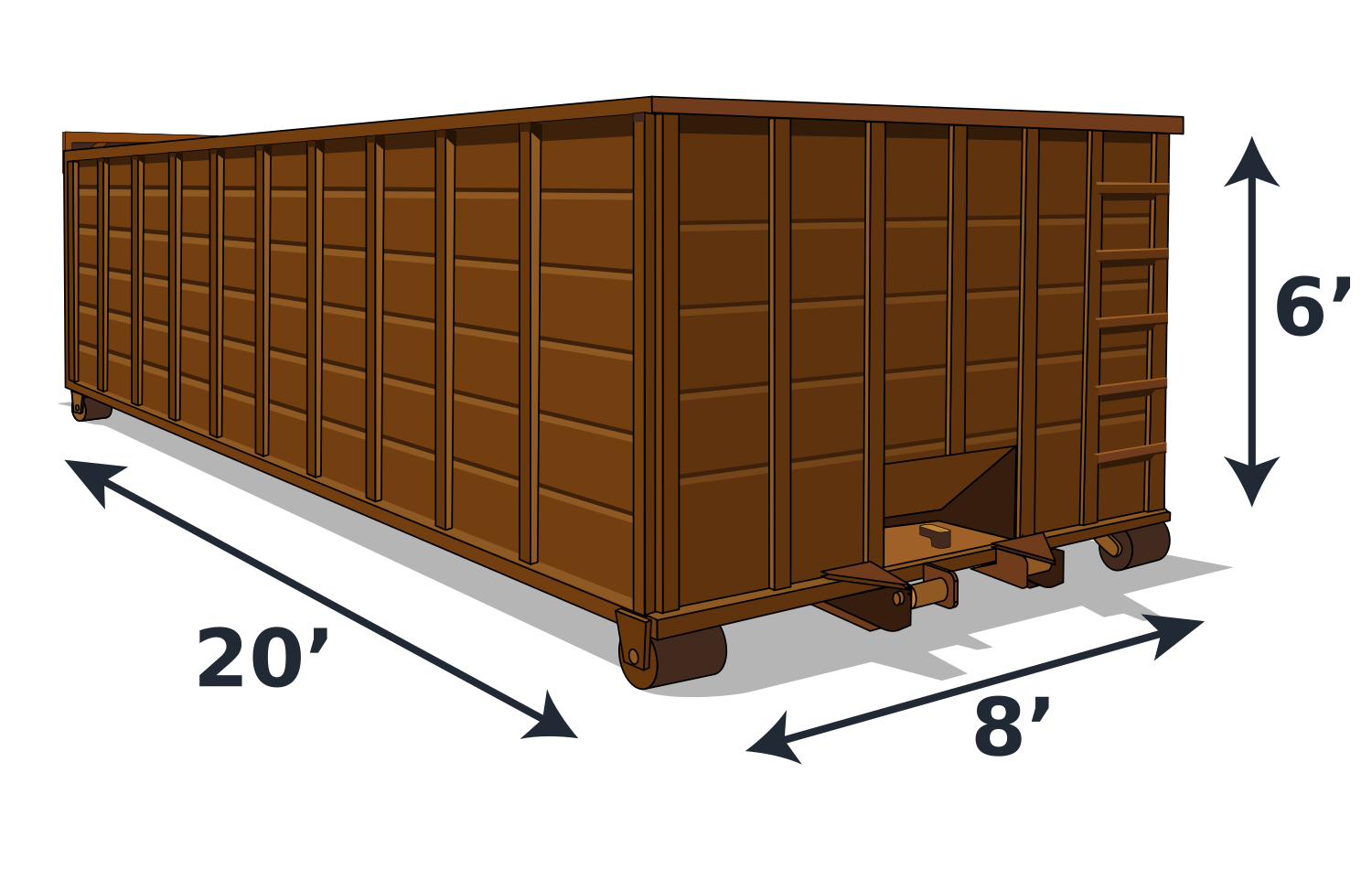
A roll off dumpster—also known as an open-top dumpster—is a rectangular waste container that sits on private property or a job site and is loaded onto a truck for pickup and drop off.
Roll-off dumpsters come in multiple dumpster sizes, often measured in cubic yards. Common roll off container sizes include:
- 10 cubic yards (ideal for small cleanups)
- 20 cubic yards (for small renovation projects)
- 30 cubic yards (for larger projects)
- 40 cubic yards (for large-scale projects)
Each container has weight limits, typically ranging from 2 to 5 tons. Exceeding a weight limit adds overage fees that can raise your final price.
Roll-offs are used for:
- Home and garage cleanouts
- Remodeling or demolition waste
- Yard cleanups and yard roll-off dumpster loads
- Construction or roofing debris
Roll-off dumpsters are also ideal for business waste needs, supporting large-scale commercial projects and providing dedicated solutions for businesses.
Knowing what’s allowed helps you save on local disposal fees and keeps your project compliant with local regulations.
Choosing the Right Dumpster for Your Project
Selecting the right dumpster for your project is the key to efficient waste disposal and keeping your costs in check. Start by assessing the type and amount of debris your project will generate. For small renovation projects or minor cleanouts, a 10 or 15 yard roll-off dumpster is often the perfect size—large enough for general junk, yet compact enough to fit on most driveways. If you’re tackling larger projects, such as a full home remodel or major construction, you’ll likely need a 30 or 40-yard roll-off to handle the increased volume and heavier debris.
Always consider the weight limits associated with each dumpster size. Exceeding these limits can result in overage fees, which quickly add to your final cost. For projects involving heavy materials like concrete or roofing shingles, it’s especially important to choose a yard roll-off dumpster designed for dense loads and to avoid mixing in lighter waste that could push you over the weight limit.
Before you rent, check local regulations to ensure your chosen dumpster size and type are allowed for your specific project. Some areas have restrictions on placement, types of debris, or require permits for certain roll-off containers. By matching the right dumpster size to your project and understanding local requirements, you’ll avoid additional fees and ensure a smooth, cost-effective disposal process.
What You Can Put in a Roll-Off Dumpster
Household and Clean-Out Items
Roll-off dumpsters are perfect for general junk and household clutter. You can include:
- Furniture like sofas, tables, and dressers
- Clothing, toys, carpets, and décor
- Small appliances such as microwaves or washers
- Cardboard and packaging materials
Many customers use roll-off dumpsters for household cleanouts and rely on flexible service options to meet their specific needs.
Many dumpster rentals also accept limited electronics, but it’s wise to confirm local waste disposal rules first.
If you’re tackling small cleanouts or decluttering before a move, renting a yard roll-off dumpster provides a convenient and cost-effective solution.
Yard, Outdoor, and Landscaping Waste
A yard roll-off dumpster is ideal for outdoor debris. Acceptable materials include:
- Grass clippings, leaves, and small branches
- Storm debris, shrubs, and fencing
- Clean soil, dirt, or gravel (if uncontaminated)
Be cautious with heavy materials like concrete or rocks—they quickly hit weight limitations. These items may require a separate yard roll-off built for heavy loads.
This option is great for landscaping jobs or small renovation projects involving patios, decks, or yard restructuring.
Construction, Renovation, and Demolition Debris
For a remodeling project, a roll-off dumpster rental can handle large amounts of construction debris, such as:
- Drywall, plywood, and framing lumber
- Old cabinets, flooring, and tiles
- Roofing shingles and siding
- Broken bricks and masonry
Because debris weight varies, check your provider’s weight limits before loading. Roll-offs are built to carry dense materials, but every job site has a threshold.
A 20-yard roll-off dumpster often fits the needs of mid-size remodels or small renovation projects, while 30- or 40-yard roll-offs suit larger projects and large-scale projects.
What You Can’t (or Shouldn’t) Put in a Roll Off Dumpster
Hazardous, Toxic, or Flammable Materials
Some materials are banned from dumpsters for safety and environmental reasons. Avoid placing:
- Batteries, oils, and fuels
- Paint, lacquers, or adhesives
- Propane tanks and automotive fluids
- Asbestos, medical waste, or contaminated soil
These are considered hazardous materials under federal and local regulations. If found, dumpster rental companies may refuse pickup or charge additional fees for contamination.
Regulated Appliances and Restricted Items
Some items require special disposal methods:
- Refrigerators, freezers, and AC units (contain refrigerants)
- Water heaters and tanks (may trap gases)
- Tires, treated wood, or large electronics
- Mattresses and upholstered furniture (may require a separate fee)
Always confirm with your dumpster rental provider before loading restricted materials. Including them can affect your final price and cause project delays.
Weight, Contamination, and Ordinance Issues
Even permitted materials can cause issues if weight limits are exceeded.
- Too much concrete or dirt can push your dumpster past its weight limit.
- Mixed waste—like paint cans with drywall—can lead to load rejection.
- Each service area has unique rules, so check local regulations for what qualifies as allowable debris.
Keeping your load sorted by material type helps avoid overage fees and protects the environment.
Understanding the Rental Process and Duration
A smooth dumpster rental experience starts with understanding the rental process and how long you’ll need the container. Most dumpster rental companies offer standard rental durations of 7 to 10 days, but many are flexible if your project requires more time. Always confirm the rental duration upfront and ask about any additional fees for extending your rental—knowing this can help you avoid unexpected costs if your project runs longer than planned.
Be sure to clarify what’s included in your quoted price. Some dumpster rental companies offer flat-rate pricing that covers delivery, pickup, and disposal, while others may charge separately for each service. Ask about weight limits and overage fees, as exceeding the allowed debris weight can result in extra charges. It’s also wise to inquire about any hidden fees, such as charges for certain types of waste or for deliveries outside the standard service area.
Before signing your rental agreement, review all terms and conditions with your provider. Understanding the full scope of services, costs, and potential fees will help you plan your project timeline and budget more effectively. By staying informed and communicating clearly with your dumpster rental company, you’ll ensure a hassle-free rental process from drop off to final pickup.
Practical Tips for Smooth Dumpster Rentals
Renting a roll-off dumpster doesn’t need to be complicated. These tips help you stay on budget and compliant.
- Plan Ahead: Before you rent a dumpster, list everything you’ll throw away. Separate recyclables, yard waste, and hazardous materials.
- Choose the Right Size: Use the dumpster size guide provided by your vendor to select the perfect size container for your specific project.
- Watch the Weight: Heavy loads of concrete or dirt reach weight limits fast. A single cubic yard of concrete can weigh nearly 3,000 lbs.
- Avoid Hidden Fees: Know what’s allowed. Improper loading or prohibited materials cause additional fees.
- Protect your driveway with plywood and confirm private property placement if required.
- Ask Questions: Contact your provider about rental duration, permits, and dumpster rental prices.
- Secure the Best Price: To get the best price for your dumpster rental, compare providers, select the correct size for your needs, and avoid extra fees by following the rental guidelines.
Some dumpster rentals include quick delivery, prompt delivery, and fast delivery services, especially if your job site is within the service area.
Frequently Asked Questions
What’s the average cost for a roll-off dumpster?
The average cost for a roll-off dumpster rental ranges from $300–$600, depending on location, dumpster size, rental duration, and local disposal fees. Heavier debris or restricted materials can raise the final price.
How much does it cost to rent a dumpster in New Orleans?
In New Orleans, dumpster rental prices typically range between $350–$700, influenced by debris weight, rental duration, and pickup distance.
Is it cheaper to get a dumpster or go to the dump?
For most projects, it’s cheaper and far more convenient to rent a dumpster—especially for larger projects or ongoing job site work. Multiple trips to the dump often end up costing more in time, gas, and fees.
What is the difference between a dumpster and a roll-off?
A traditional dumpster is stationary and used for long-term waste disposal behind businesses or apartments. A roll-off dumpster is a container transported by a truck and is ideal for temporary projects like renovations or demolitions.
Can I mix heavy materials with regular trash?
You can—but you risk hitting the weight limit quickly. Separate concrete, rocks, and soil from lighter materials to avoid overage fees.
Can I rent a dumpster for a short project?
Yes. Many providers offer flexible rental durations for small renovation projects or weekend small cleanouts.
How to Get the Best Dumpster Rental Experience
- Compare pricing: Check dumpster rental prices from multiple providers and look for transparent pricing without hidden fees.
- Ask about recycling: Many dumpster rental providers recycle qualifying materials to reduce waste and protect the environment.
- Schedule early: Reserve your yard roll-off dumpster ahead of time to ensure quick delivery when your project starts.
- Communicate clearly: Discuss pickup timing and any additional fees related to weight limitations or extended rentals.
- Confirm coverage: Make sure your service area is included before scheduling a drop off.
Small roll-off dumpsters are available in most cities, making it easy to find a convenient solution for urban cleanups.
When managed properly, dumpster rentals are one of the most efficient solutions for cleanup, construction debris, and general junk removal. Whether you’re tackling small renovation projects or large-scale projects, the right container makes every job easier.
Conclusion
Now you know exactly what belongs—and what doesn’t—in a roll-off dumpster. Understanding weight limits, avoiding hazardous materials, and planning your waste disposal strategy helps you save money and stay compliant.
Choose a roll-off dumpster rental that fits your project and your location, ask about dumpster rental prices, and avoid hidden fees by following local regulations.
Whether you’re cleaning out your home, managing a job site, or organizing larger projects, renting the right roll-off dumpster ensures your cleanup goes smoothly.
When you’re ready to rent a dumpster, plan, load smart, and keep your roll-offs clear of restricted materials—it’s the key to a successful, stress-free cleanup.