Last Update
Table of Contents
Introduction
Home renovations generate more than excitement—they create a significant amount of waste that can’t just be left at the curb. From broken drywall and old flooring to roofing shingles and cabinets, these materials pile up quickly.
Choosing the best dumpster rental service ensures all that debris is removed in a safe, cost-effective, and convenient way.
Without proper planning, a homeowner might face scattered debris, multiple truck trips, hidden landfill fees, or even violations of local regulations.
The right solution is clear: a properly sized dumpster delivered on site keeps your project efficient, your property safer, and your environment cleaner.
If you’re starting a remodel, check out the best dumpster rental service to keep your renovation clean, compliant, and stress-free.
This guide will cover how to evaluate dumpster rentals, compare costs, pick the right dumpster size, avoid mistakes, and understand both residential and commercial projects.
You’ll also learn about roll-off dumpsters, restrictions on hazardous materials, and how providers manage waste disposal responsibly.
Why Dumpster Rentals Are Essential for Home Renovations
Renovation Waste Adds Up Fast
A bathroom remodel might not seem like much, but even removing a tub and tile generates heavy concrete, ceramics, and wood. It’s important to have a plan to properly dispose of renovation debris to avoid complications with waste removal and local regulations. A kitchen project adds countertops, cabinets, and flooring.
Full, large-scale projects create tons of mixed waste that can overwhelm any homeowner.
Problems with DIY Hauling
- Requires multiple trips with a truck
- Landfill disposal fees vary depending on location
- Time lost hauling instead of focusing on renovation tasks
- Difficulty handling heavy debris like concrete
Why Rent a Dumpster?
- Keeps debris contained in one yard dumpster
- Saves labor and travel time
- Meets waste management rules and local regulations
- Reduces hazards around your home
How to Choose the Right Dumpster Rental
Key Factors to Consider
When comparing a dumpster rental company, think beyond just cost:
- Dumpster sizes available: 10, 20, 30, and 40-yard options
- Transparent pricing: avoid hidden fees and unclear surcharges
- Rental period: flexibility to match your timeline
- Delivery and pickup included?
- Eco-friendly disposal and recycling practices
- Awareness of service area limits
Questions to Ask Before Renting
- Are hazardous materials or electronic waste restricted?
- What’s the weight limit, and what happens if I exceed it?
- Does the rental period include weekends?
- Is fast delivery available for urgent projects?
Getting answers ensures you choose the right fit and avoid surprises.
Rental Logistics
When it comes to dumpster rental for home renovations, understanding the logistics can make all the difference between a smooth project and unexpected headaches.
The right dumpster rental company will help you navigate delivery and pickup schedules, weight limits, and local regulations, ensuring your waste disposal process is as efficient as possible.
Delivery and Pickup: A reliable roll-off dumpster service will coordinate delivery and pickup times that fit your project’s timeline.
Fast delivery is especially important for urgent projects, while convenient pickup ensures your property stays clear of debris. Always confirm your rental period in advance to avoid extra fees or scheduling conflicts.
Choosing the Right Dumpster Size: Dumpster sizes can vary depending on your location and the service area. Whether you’re tackling small projects or large-scale renovations, selecting the perfect dumpster size is crucial. Too small, and you risk running out of space; too large, and you may overpay.
A reputable dumpster rental company will guide you to the right fit based on the type and amount of debris—be it yard waste, landscaping debris, or construction materials.
Weight Limits and Local Regulations: Every dumpster has a weight limit, and exceeding it can lead to additional costs. Ask your provider about weight limits for your chosen dumpster size and how much weight is included in the base price.
Also, be aware of local regulations regarding dumpster placement and waste disposal to avoid fines or delays.
Prohibited Items: Not all waste can go into a roll-off dumpster. Items like hazardous materials, medical waste, electronic waste, and certain paint cans are typically prohibited.
Always check with your dumpster rental company for a list of restricted items to ensure safe and legal disposal.
Cost and Competitive Pricing: Transparent pricing is key. Look for a dumpster rental company that offers clear, upfront pricing with no hidden fees.
Costs can vary depending on the rental period, dumpster size, and your location, so get a detailed quote before committing.
Environmental Responsibility: Choose a provider that prioritizes recycling and responsible waste management.
Many companies now separate recyclables and ensure hazardous waste is handled properly, helping you reduce your environmental footprint and contribute to a cleaner community.
By paying attention to these rental logistics, you’ll ensure your dumpster rental experience is cost-effective, convenient, and compliant with all regulations—leaving you free to focus on your renovation project.
Cost of Dumpster Rental Services
Factors That Influence Pricing
Dumpster rental pricing can vary depending on:
- Dumpster size (smaller for small projects, larger for large construction jobs)
- Length of rental duration
- Distance to landfill or service area
- Type of waste (household vs. heavy concrete)
How Much Should I Expect to Pay for a Dumpster?
On average in the U.S.:
- Small projects (10–15 yard dumpsters): $250–$400
- Medium-sized cleanouts or kitchen remodels (20-yard): $400–$600
- Large construction jobs (30–40 yard dumpsters): $600–$800+
Tip: Bundle tasks to shorten your rental period and avoid extension fees.
Dumpster Sizes and Best Uses
Small Dumpsters (10–15 yards)
- Ideal for small projects like bathroom remodels or attic cleanouts
- Handles yard waste and minor landscaping debris
- Limited weight limits, so avoid overloading
Medium Dumpsters (20 yards)
- Great for kitchens, medium-sized cleanouts, or flooring replacement
- Balances capacity with manageable pickup
Large Dumpsters (30–40 yards)
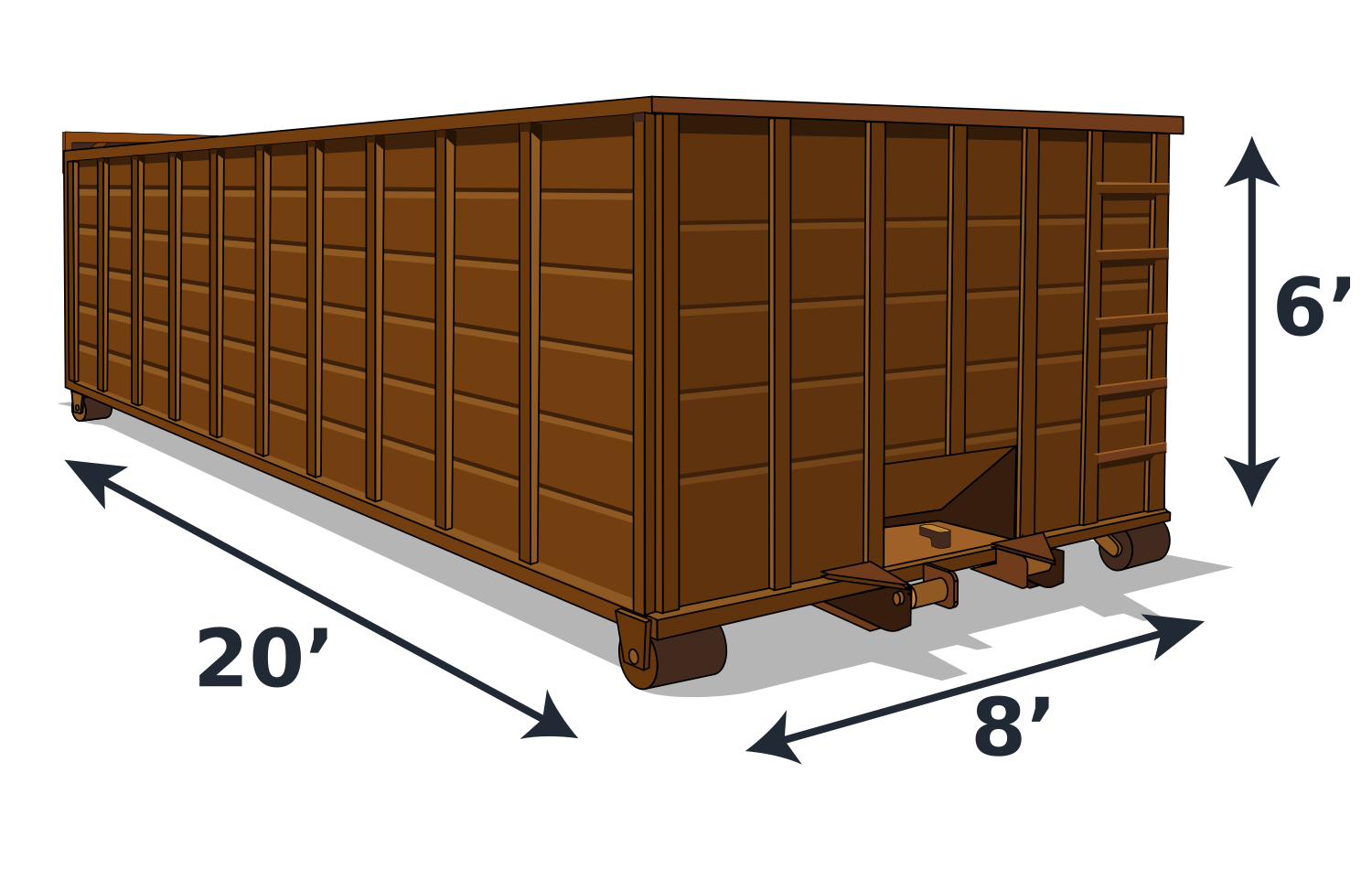
- Built for large construction jobs, full-house renovations, or major commercial projects
- Can hold concrete, roofing shingles, and heavy debris
Choosing the right dumpster size prevents costly overages and ensures a smooth dumpster pickup.
Roll Off Dumpster Advantages
Roll-off dumpsters are the most common choice for home renovations and commercial projects. They offer easy pickup when full.
Most roll-off dumpster companies provide a reliable and timely pick-up service, ensuring your dumpster is retrieved smoothly and on schedule.
Why Roll Off Dumpsters Work Best
- Delivered by truck and placed on site
- Range of dumpster sizes to fit any project
- Easy pickup when full
- Suitable for residential use or commercial project cleanups
Whether you’re dealing with yard dumpsters for smaller debris or large roll-off dumpsters for demolition, these containers provide the right fit for virtually any job.
Comparing DIY Hauling vs. Dumpster Rentals
DIY Hauling
- Multiple truck trips
- Extra landfill disposal fees
- Time-consuming
Dumpster Rentals
- One roll-off dumpster delivered to your location
- Clear weight limit guidelines
- Convenient solution for customers
- Safer and more compliant with local regulations
Eco-Friendly Waste Disposal and Recycling
Modern providers emphasize waste management that protects the environment. Many separate concrete, wood, and metals for recycling, diverting materials from landfills.
Hazardous waste and medical waste require special handling and should never be placed in a standard dumpster. Providers also restrict paint cans, prohibited items, and electronic waste.
This ensures customers contribute to a cleaner community and meet disposal laws.
Common Mistakes to Avoid
- Misjudging the size dumpster needed
- Ignoring weight limits and asking later, “How much weight can I add?”
- Forgetting permits for certain locations
- Placing hazardous materials or medical waste inside
- Not confirming delivery and pickup schedules
FAQs
How much should I expect to pay for a dumpster?
Most dumpster rentals cost between $250–$800, depending on dumpster size, rental duration, and location. Prices can vary depending on landfill rates and distance from disposal sites.
Is it cheaper to rent a dumpster or hire a junk removal company?
For small projects, junk removal may seem easier. But for large construction jobs or commercial projects, renting a roll-off dumpster is more cost-effective because you control the rental period and avoid per-trip charges.
What items are considered prohibited items?
Items such as paint cans, hazardous waste, medical waste, and electronic waste are restricted. Always check the provider’s list of prohibited items before loading your dumpster.
Can a dumpster damage my driveway?
Yes, particularly with heavy roll-off dumpsters. Using plywood beneath the yard dumpster prevents marks or cracks.
How quickly can I get a dumpster delivered?
Many providers offer fast delivery, often within 24–48 hours, depending on the service area and rental period availability.
Conclusion
Every renovation generates waste, and managing it without the right dumpster is a challenge.
By choosing dumpster rentals with transparent pricing, flexible rental duration, and reliable delivery and pickup, homeowners and businesses get peace of mind.
Whether for residential use or commercial projects, a roll-off dumpster provides the perfect dumpster size, ensures waste disposal compliance, and supports recycling efforts.
With clear service areas, defined weight limits, and a focus on the community, these services help customers finish projects cleanly and responsibly.