Last Update
Table of Contents
Most people who price out 30-yard dumpsters are surprised when the final bill looks nothing like the number they had in their head.
The base price sounds simple at first.
Then weight and timing come into play, and the math gets murky fast.
This article clears that up.
You will learn what actually drives the price, what a fair quote should include, and how to avoid the fees that quietly inflate your total.
By the end, you will know what to ask for and why.
No guesswork, no surprises.
If you want to compare sizes and request an exact quote for your project, you can review the options for 30 yard dumpsters and match a container to the job.
What Drives the Cost
There is no single sticker price for a roll-off dumpster this size.
The final cost depends on a handful of real factors, and honest providers will walk you through each one.
Here is what shapes your total:
- Your location. Landfill rates and travel distance change from city to city across Southern California.
- The type of waste. Heavy debris like concrete and roofing costs more to haul and dump than light household trash.
- The weight of your load. Each container includes a weight limit, and going over it adds charges.
- The rental period. Keeping the bin past the included window adds daily fees.
- Permits. If the container sits on a public street, your city may require a permit with its own fee.
None of these is a hidden trick.
They are the genuine costs of moving and disposing of waste, which is why a precise quote always beats a one-size-fits-all number.
For a transparent total, share your project details up front.
The more a provider knows about your debris and timeline, the closer the quote will be to the final cost.
What This Container Size Actually Holds
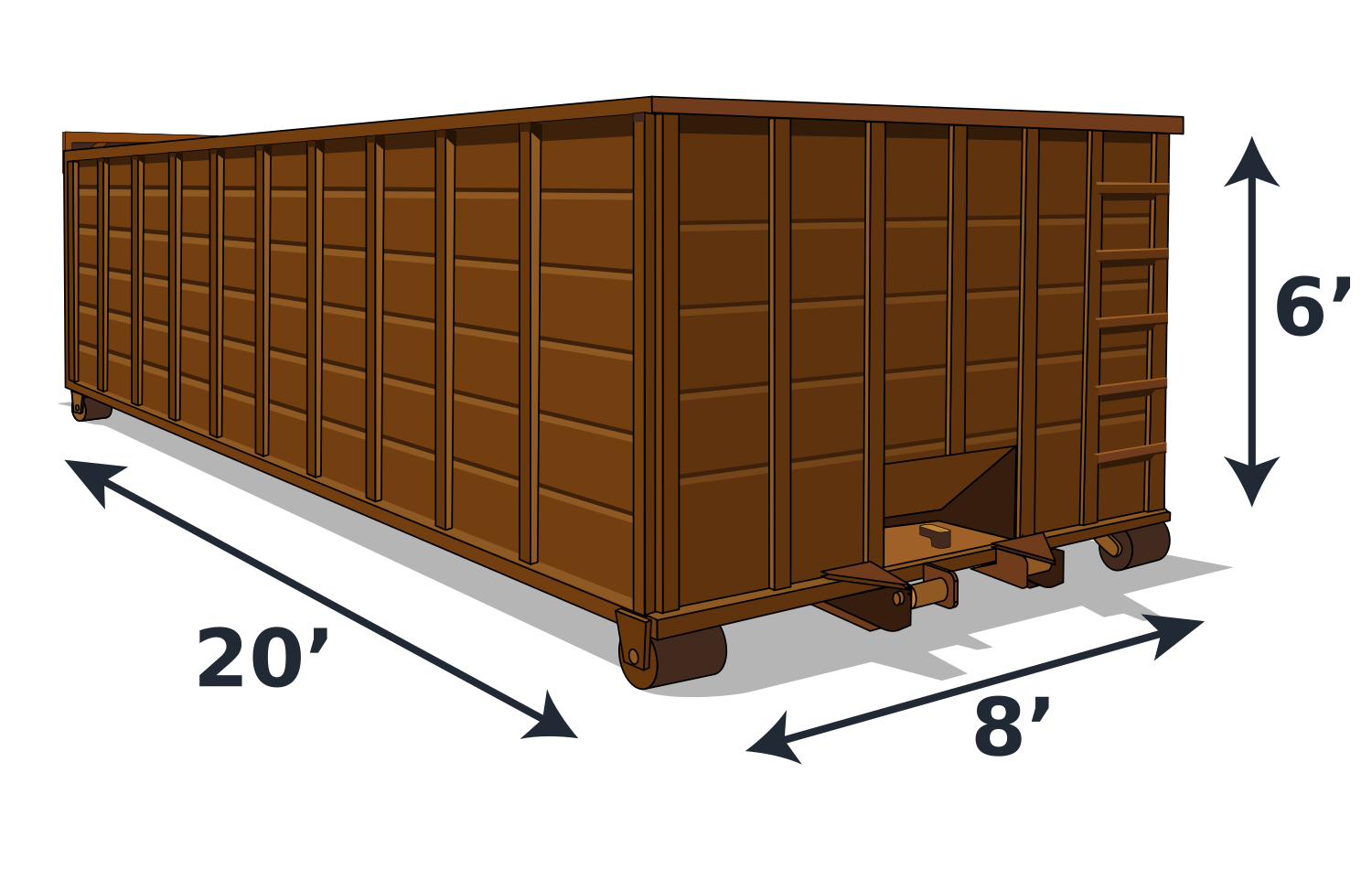
A 30-yard roll-off dumpster is one of the larger residential roll-off options.
It gives you serious capacity without jumping to the biggest industrial bins.
The dimensions usually run about 21 feet long, 8 feet wide, and 5 feet high.
That footprint fits in many driveways, though you should plan where to safely place it before delivery.
Here is what that capacity means in real terms:
- Holds about 170 large (33-gallon) trash bags
- Equal to roughly 9 standard pickup truck loads
- Can weigh between 7,000 and 10,000 pounds when full, depending on the material
A 30-yard dumpster cuts down the need for frequent trips to the landfill.
It acts as a central collection point, which keeps a job site clean and makes waste disposal far more efficient.
This size works well for mid-sized renovations and bigger cleanouts where smaller bins would fill up too fast.
Why One Large Bin Beats Several Small Ones
Renting a single large container is usually more cost-effective than renting multiple smaller dumpsters.
Each delivery and pickup carries its own cost, so fewer hauls means fewer fees.
For a full home renovation, this matters a lot.
A whole-home remodel produces more waste than people expect, and a second haul adds up quickly.
Think about your total volume, not just the size of one room.
The right size dumpster handles the entire project in a single rental.
The Two Fees That Catch People Off Guard
Two charges cause most billing confusion.
Both are easy to avoid once you understand them.
Weight Limit and Tonnage Fees
Every container comes with a weight limit, often measured in tons.
Go over that allowance, and overage charges apply for the extra weight.
This matters most with heavy debris.
Materials like concrete, brick, and roofing shingles add up fast and can pass your limit before the bin even looks full.
Lighter loads rarely hit the cap.
If you are tossing furniture, drywall, and general trash, you will likely stay within the included tonnage.
To stay safe, estimate your weight before you fill the container:
- Roofing shingles: roughly 250 pounds per 100 square feet
- Concrete: about 4,000 pounds per cubic yard
- General household junk: light, but bulky and space-hungry
If your project leans heavily, ask about the weight allowance up front.
Planning for it is almost always cheaper than paying overage rates later.
Rental Period Charges
Your quote includes a set rental period, often around 9 days.
Keep the bin past that window, and daily fees start to add up.
These charges are small per day but easy to ignore.
A bin parked in the driveway for an extra week can quietly grow your bill.
Plan your timeline before delivery.
Order the dumpster when you are ready to load it, not days before the work begins.
How Ordering and Delivery Work
The process is simple from start to finish.
Most rentals follow the same few steps.
- Contact the team and confirm the right size for your project and address.
- The container is delivered to your chosen location and time.
- You fill it at your own pace during the rental period.
- You call when you are done, and the team schedules the pickup.
That flow keeps your project moving.
A prompt dumpster pickup means the bin is not sitting in your driveway longer than it needs to be.
What You Can and Cannot Throw Away
These containers handle a wide range of materials, but not everything.
Hazardous waste is prohibited under local waste management guidelines.
Keeping hazardous materials out is not just a rule.
Proper waste disposal keeps you compliant with local disposal laws and keeps the cleanup safe for everyone.
Common items that are accepted include:
- Construction and demolition debris, like wood, drywall, and roofing shingles
- Furniture, appliances, and old flooring
- General household trash and yard debris from landscaping projects
Items usually not accepted include:
- Wet paint, oils, and chemicals
- Propane tanks and batteries
- Tires and many electronics
When in doubt, ask before you load.
A quick question saves you from a rejected load or an extra fee.
For a deeper look at how construction and demolition waste should be handled and disposed of, the Environmental Protection Agency offers clear, neutral guidance worth reading.
How to Get a Precise Quote
A trustworthy quote should leave nothing to the imagination.
Clear, transparent pricing means the number you agree to is the number you pay.
Before you book, make sure the quote answers these questions:
- What are the container dimensions and capacity?
- How many days does the rental period cover?
- What weight limit is included, and what does each extra ton cost?
- Are delivery and pickup part of the price?
- Are there permit or location-based fees?
If a provider hesitates on any of these, treat that as a warning sign.
Clear pricing is a habit, and good companies practice it on every call.
Write the answers down.
A quote you can read back later protects you if the final bill ever looks different.
Common Uses for This Dumpster Size
This container fits a wide range of jobs.
It handles mid-to-large cleanouts without the cost of the biggest options.
A 30-yard roll-off is a strong choice for the following:
- Large home remodels and full renovations
- Office cleanouts and remodels
- Mid-sized renovation projects across several rooms
- Roofing jobs on average-sized homes
- Landscaping projects with heavy yard debris
If your project is smaller, a more compact residential dumpster may be the better fit.
If you are tearing down a large structure, you may need more capacity or more than one haul.
Think about the volume of waste, not just the type.
Matching the bin to the job is the single best way to control your spend.
Smart Ways to Keep Your Costs Down
You have more control over the final cost than you might think.
A few simple moves can shrink your total.
- Right-size the bin. Match the container to your actual project so you do not pay for space you never use.
- Break down bulky items. Flattened boxes and disassembled furniture fill less space, so you use the volume you paid for.
- Sort heavy debris. Keep concrete and dirt separate when possible, since heavy materials can carry their own disposal rules.
- Book early. Last-minute orders during busy seasons often cost more.
- Load evenly. Spread the weight across the container so it stays under the fill line and stays legal to haul.
Each move helps on its own.
Stacked together, they can save you a real chunk of the total.
The Bottom Line
Pricing for this dumpster size is not complicated once you know what to look for.
A fair quote bundles delivery, pickup, a clear rental period, and a stated weight limit into one number.
The extra costs, tonnage, and rental days are predictable.
Plan your weight, plan your timeline, and you keep the final cost close to the quote.
Ask direct questions, get the details in writing, and pick the right size for the job.
Reach out to the team, confirm your price, and schedule a delivery date that fits your project.
Do that, and you pay a fair price with zero surprises.